Serving a Cause: The New Recipe for Food Fundraising in the UK Charity Sector
The Enduring Power of the Plate
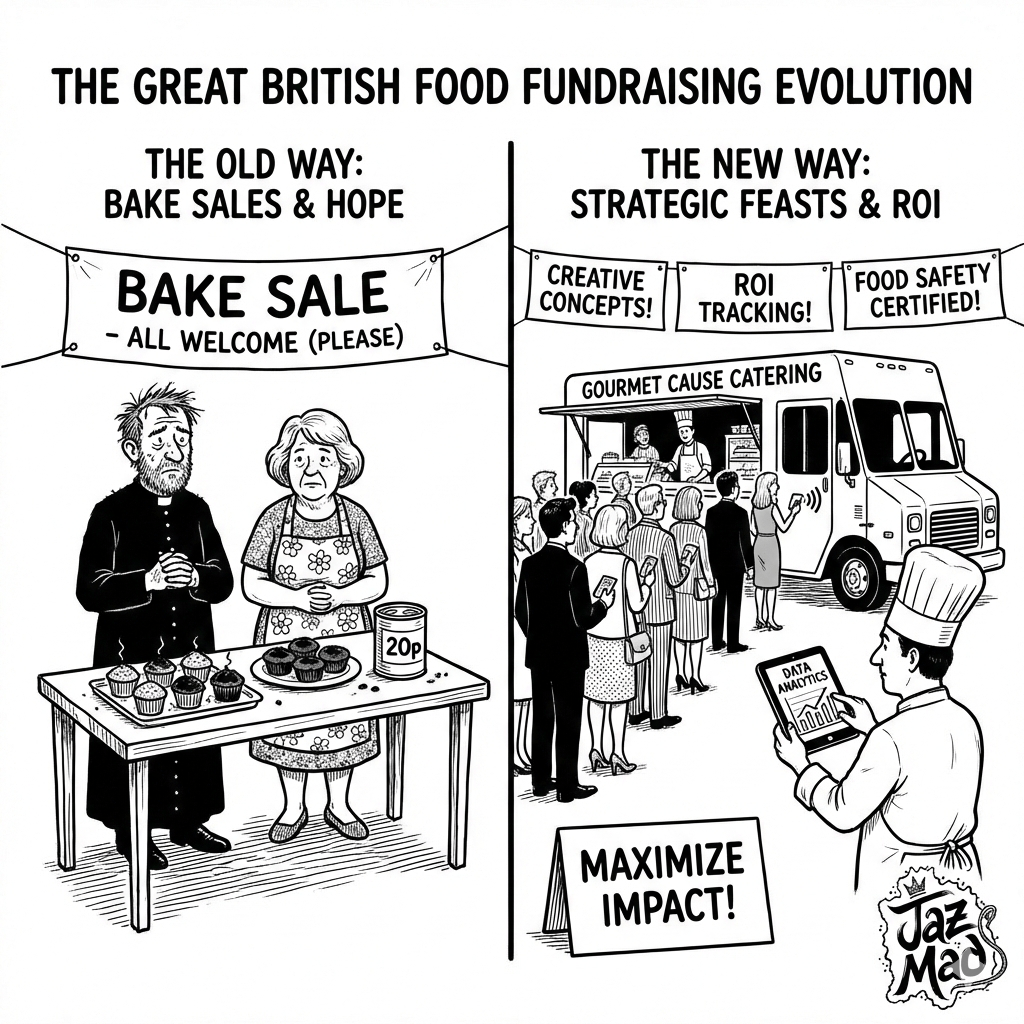
The charity bake sale is an image etched into our collective memory—a trestle table laden with fairy cakes and Victoria sponges, all in the name of a good cause. Yet, in the modern UK charity sector, the role of food in fundraising has evolved from a simple transaction into a powerful strategic tool. It has become a medium for storytelling, community building, and mission delivery. Take, for example, WaterAid’s innovative ‘The driest Christmas dinner ever’ campaign, which used a dehydrated festive meal to viscerally communicate the reality of life without clean water. This campaign powerfully illustrates that today’s food-based initiatives can do more than just raise money; they can articulate a charity’s purpose in a way that resonates deeply with supporters. This article explores how UK charities can successfully harness the universal appeal of food, balancing creative opportunities with the significant responsibilities that come with every plate served.
Why Food Unites: The Psychology Behind Successful Food Fundraising
To truly leverage food as a fundraising asset, it is vital to understand why these initiatives are so consistently effective. The success of a charity dinner or community barbecue goes far beyond a simple exchange of cash for sustenance; it taps into the deep-seated emotional and communal connections we have with food. By understanding this psychology, charities can design events that forge lasting bonds with their supporters.
Food fundraising has a universal appeal, with one survey noting it as many donors’ “favourite way to give back.” The reason is simple yet profound: food is intrinsically linked to memory and community. As Shelter Scotland highlights, our kitchens are where we “cook and feed our friends and family, and it’s where we make memories.” Food-based events create “long-lasting experiences” that bind individuals not just to each other but also to the cause they support. This shared experience—breaking bread together, whether at a gala dinner or a simple bake sale—transforms passive donors into active community members.
This powerful emotional connection is underpinned by several core benefits that make food fundraisers a practical and effective choice for charities of all sizes. They can often be set up quickly, especially with volunteer support. They offer a natural opportunity for collaboration with local businesses, food trucks, and other community organisations. Crucially, they offer a way to give donors something tangible—a tasty treat — that makes the act of giving more immediately enjoyable and enhances their overall experience. This approach helps attract a wider donor base, pulling in members of the local community who might not have otherwise engaged, thereby building greater awareness for the charity’s mission.
From this understanding of why food works so well, we can begin to explore the diverse and creative menu of fundraising ideas available to the modern charity.
Beyond the Bake Sale: A Modern Menu of Fundraising Campaigns
The modern charity’s fundraising cookbook has expanded far beyond traditional events. Showcasing innovative ideas like themed dinners and collaborations can make charities feel proud of their creativity and community impact.
The landscape covers a wide and delicious terrain, from community classics like bake sales, barbecues, and pancake breakfasts to more exclusive ‘sophisticated suppers’ such as formal gala dinners, themed Italian nights, and elegant wine and cheese tastings. While the former are accessible and tap into a comforting sense of tradition, the latter attract different donor demographics by offering a more exclusive experience that can command higher ticket prices and deliver significant returns.
Several UK charities are leading the way with innovative campaigns that fuse fundraising with powerful messaging. Wooden Spoon, the children’s charity of rugby, launched its ‘Pass the Plate Appeal’ to raise £100,000 to combat child food poverty by funding organisations that provide crucial meals. Meanwhile, appliance retailer Russell Hobbs partnered with Action Against Hunger for its ‘Plates for Change’ initiative, a school campaign that uses curriculum-aligned resources to engage children aged 7-11 on the realities of global hunger. While Wooden Spoon targets immediate need through direct funding, Russell Hobbs’ Plates for Change’ plays a longer game, embedding its message within the national curriculum to cultivate a future generation of socially-conscious supporters.
A growing trend is the power of partnerships to amplify an event’s reach and resources. The collaboration between Chefs’ Whites Restaurant at Suffolk New College and coffee company Paddy & Scott’s for a coffee-inspired charity dinner in support of St Elizabeth’s Hospice demonstrates how local partnerships can create unique culinary experiences. Similarly, Wooden Spoon’s collaboration with corporate supporter Young’s Pubs for its ‘Pass the Plate Appeal’ shows the power of aligning with established brands. Charities are also increasingly collaborating with food trucks, pop-up restaurants, and local farmers to add variety and a modern edge to their events.
This wealth of creative ideas, however, requires careful execution to transform a concept into a successful fundraising outcome.
The Recipe for Success: From Concept to Cash
A great idea is only the first ingredient in a successful food fundraiser. Turning that concept into cash requires a rigorous, strategic approach to planning, promotion, and logistics. From setting clear objectives to analysing the results, a well-defined plan is the foundation of any profitable event.
Organising a successful event involves several essential stages. First, it is crucial to define a clear fundraising goal, such as raising a specific amount, which provides a tangible objective that motivates volunteers and guides decision-making. Second, an organisation must choose the right idea for its target audience, considering donor demographics and timing to maximise engagement. Third, the event must be promoted effectively. Charities can leverage no-cost methods like email newsletters and social media to generate buzz and drive ticket sales. Finally, it is vital to track goals and analyse the event’s success afterwards, including evaluating the campaign’s impact on awareness and supporter engagement, to inform future strategies and ensure continuous improvement.
To ensure an event is not just enjoyable but also profitable, charities can employ several key strategies:
- Maximise Low-Cost Events: Events like potlucks, bake sales, and cookbook sales can be highly profitable because they rely on donated goods and volunteer labour, meaning almost all sales revenue goes directly to the cause. The low cost of ingredients makes these classics a reliable choice for maximising returns.
- Structure Vendor Partnerships: When working with external vendors, such as food trucks, a straightforward financial arrangement is essential for a “win-win” outcome. Options range from charging a flat participation fee to negotiating a percentage of sales. One effective model is a progressive percentage, where the vendor pays a higher percentage as their sales increase, aligning the incentives of both the charity and the vendor.
- Leverage Pre-sales and Ticketing: For events like spaghetti dinners, charity galas, or pasta nights, selling tickets in advance is a powerful strategy. This secures revenue upfront, helps manage attendance and catering numbers, and reduces the financial risk associated with the event.
Even the most meticulously planned and profitable event, however, must be built upon an unshakeable foundation of safety, hygiene, and legal compliance.
A Duty of Care: Navigating Food Safety and Legal Obligations
When a charity sells food to the public, it is considered a food business under the law. This classification carries a critical duty of care, making legal and safety compliance non-negotiable. Properly handling food is essential not only to protect public health but also to safeguard the charity’s invaluable reputation. Volunteers working at fundraisers must be equipped to handle food safely, as any mishandling can cause serious harm.
The core principles of food safety, often summarised by health authorities like the NHS as the “4Cs”, must be understood by all volunteers: Cleaning (ensuring hands and surfaces are clean), Chilling (keeping cold food cold), Cooking (cooking food thoroughly), and avoiding Cross-Contamination (keeping raw and ready-to-eat foods separate).
Temperature control is one of the most critical aspects of food safety. Harmful bacteria can grow rapidly in the “temperature danger zone,” which ranges from 5°C to 60°C. This range, widely recognised by food safety authorities including the UK’s Food Standards Agency, is where potentially hazardous foods—such as meat, dairy, and cooked rice—must not be kept. They should instead be held at 5°C or colder, or at 60°C or hotter. It is a legal requirement for organisations handling such foods to have an accurate probe thermometer to ensure these safe temperatures are maintained.
Equally important are the non-negotiable rules for volunteer hygiene. All food handlers must practise proper handwashing, especially before handling food, after using the toilet, and between handling raw and cooked items. Any volunteer who is ill, particularly with symptoms like vomiting or diarrhoea, must not handle food. They should also wear clean clothing, and any open sores or wounds on their hands or arms must be covered with a waterproof dressing.
Finally, providing allergen information is a vital part of a charity’s duty of care. While small, occasional events may be exempt from specific mandatory labelling laws, it is best practice to provide clear information on the 14 major allergens specified by UK law. These are: celery, cereals containing gluten, crustaceans, eggs, fish, lupin, milk, molluscs, mustard, nuts (tree nuts), peanuts, sesame seeds, soybeans, and sulphur dioxide/sulphites. A simple method is to keep a register of all donated items, with each donor providing a list of ingredients. This ensures volunteers can confidently and accurately answer customer questions.
Serving Up a Better Future
Food fundraising has proven itself to be a dynamic and potent tool for the UK charity sector. Moving far beyond the humble bake sale, it has become a sophisticated way to build deep community connections, communicate a core mission, and generate vital income. However, its continued success now hinges on a professional and strategic approach that blends creativity with diligence. The most impactful campaigns are born not only from innovative ideas but also from meticulous planning, smart financial management, and an unwavering commitment to food safety and legal compliance. The question for fundraisers is no longer whether food can be a powerful tool, but how to use every dish to tell a story that is as compelling as it is delicious. The charities that thrive will be those that see food not merely as a way to raise money, but as a medium to unite their supporters and, ultimately, serve up a better future for their cause.