From Fines to the Frontline: How Ofgem’s £150 Million Redress Scheme is Fuelling Charity Support for Vulnerable Households
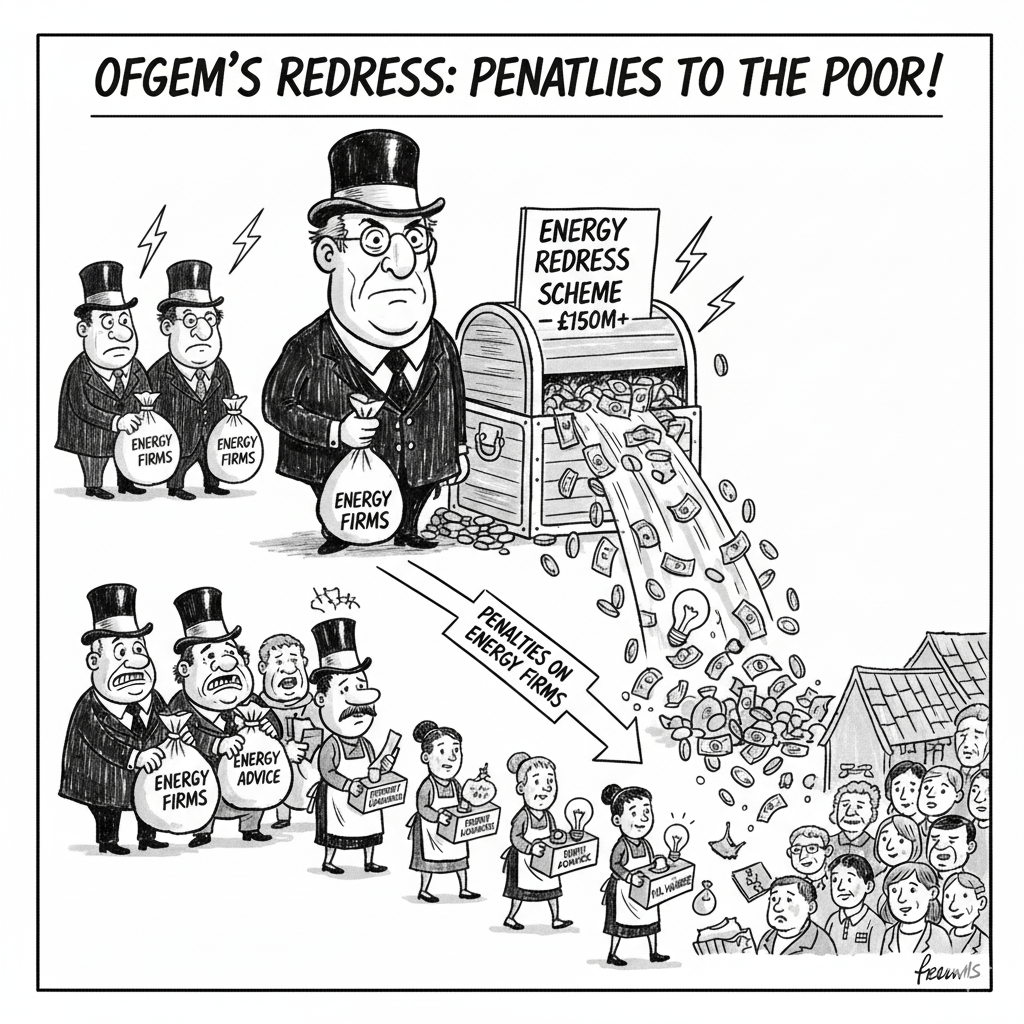
As the UK continues to grapple with the crippling effects of the cost-of-living crisis, high energy bills remain a source of profound anxiety for millions of households. In this challenging landscape, a crucial and perhaps surprising funding lifeline has emerged for the charity sector. The Ofgem Energy Redress Scheme, which has now channelled over £150 million into frontline projects, operates on a simple but powerful premise: financial penalties levied against energy companies that break the rules are repurposed to fund essential charity work. This milestone is not just a number; it represents a vital injection of resources, empowering charities to provide direct support, from fuel vouchers to energy-saving advice, for the most vulnerable people when they need it most. It is a story of how regulatory enforcement is being transformed into tangible community support.
The Core Story: What is the Ofgem Energy Redress Scheme?
At its heart, the Ofgem Energy Redress Scheme is a strategic mechanism designed to convert corporate non-compliance into direct and meaningful consumer benefit. It ensures that when energy companies fail to meet their obligations, the resulting financial penalties are funnelled back to support the very communities that may have been harmed.
Established in 2018, the scheme is funded by voluntary payments from energy companies following Ofgem investigations into regulatory breaches. The process, managed by the Energy Saving Trust, includes clear application procedures and eligibility criteria, which charities can access to secure grants. Providing detailed guidance on how charities can apply will help demystify the process and encourage more organisations to participate.
- Supporting energy consumers in vulnerable situations, as defined by the scheme, as circumstances in which individuals are significantly less able to protect their interests in the energy market or are more likely to suffer substantial detriment.
- Developing innovative products or services that are not currently accessible to energy consumers.
- Tackling decarbonisation for the benefit of energy consumers.
The scheme’s significant financial power, which enables it to support hundreds of projects nationwide, stems directly from the robust enforcement activities of the energy regulator, Ofgem.
The Engine Room: Ofgem’s Enforcement in Action
Ofgem’s enforcement activities demonstrate corporate accountability, reassuring policymakers and energy sector professionals of the scheme’s integrity and social impact.
The scale of this enforcement has grown significantly. In the 2023-24 financial year alone, Ofgem’s compliance and enforcement work secured approximately £79.7 million in redress payments. This upward trend has continued, with the regulator handing out over £92 million in compensation, redress, and fines in 2024 alone.
Recent high-value cases clearly illustrate this process in action:
- Beatrice Offshore Windfarm Limited made a redress payment of £33.14 million after breaching energy market rules.
- OVO Energy contributed £2 million to the scheme following failings in its handling of customer complaints.
These multi-million-pound penalties are not abstract figures; they are the direct financial fuel for the frontline projects detailed below, turning corporate non-compliance into community lifelines.
Impact and Implications: From Redress to Results
For the charity sector, the crucial question is whether this funding translates into meaningful, on-the-ground support for vulnerable people. The answer, backed by extensive evaluation, is a resounding yes. Since its 2018 inception, the scheme’s achievements paint a powerful picture of success, awarding over £150 million to more than 647 projects across Great Britain. This funding has translated into tangible support, with over 700,000 households receiving vital energy advice. Crucially, it has provided emergency relief where it’s needed most; over £55 million has been allocated to Fuel Voucher projects, benefiting 134,048 households at risk of disconnection. The impact is also measured in direct financial gains, with projects securing a total of £76.7 million for consumers through activities like benefits advice and debt write-offs.
The scheme has also demonstrated remarkable value for money. The average cost of support per household is just £74. With each household receiving an average of two distinct interventions, this equates to an efficient average cost of only £37 per intervention. These high-level statistics, however, are built on the individual stories and dedicated work of organisations across the country.
Perspectives and Voices: A View from the Ground
To understand the true value of the scheme, it is essential to hear from those involved at every level—from the regulator setting the rules to the administrator distributing the funds to the frontline charities delivering the services.
Cathryn Scott, Director for Market Oversight and Enforcement at Ofgem, highlights the scheme’s core mission:
“Protecting customers and ensuring they’re treated fairly is at the heart of Ofgem’s mission. That’s why we make sure that when energy companies break the rules, they make amends by contributing to projects that make our energy system fairer and support those in need.”
Graham Ayling, Senior Project Manager for the Energy Redress Scheme at the Energy Saving Trust, speaks to the fund’s timeliness and impact:
“Through the last six years of unprecedented challenges, this funding has enabled voluntary sector organisations at the heart of their communities to deliver vital support to those most at risk from high energy prices.”
Nowhere is the scheme’s impact clearer than in Brighton & Hove. “We’re really proud to offer this service to Brighton and Hove residents,” says Jo Muntus, Manager of the local Citizens Advice Energyworks project. Her team is on the front line of a crisis that sees over 16,000 local households in fuel poverty. Armed with a recent award of nearly £528,000 from the Redress Scheme, they are providing free, impartial energy advice across the city. Muntus explains how the funding is being put to use:
Our team are the experts with all things energy and have supported behavioural change through energy advice and reduced clients’ bills through our energy company advocacy. Our partnership with Brighton and Hove Energy Services Co-op has delivered 300 home visits, providing face-to-face support to clients, helping reduce damp and associated health risks, and helping clients feel warmer. We want to continue this work by engaging landlords to invest in their rental properties so Brighton and Hove residents can spend less on their energy, be safer and more comfortable in the longer term.”
These real-world examples powerfully demonstrate how penalties are transformed into practical help, offering a blueprint for other charities looking to engage with this vital funding source.
A Lifeline for the Sector: How Charities Can Engage
For charities and community organisations navigating a competitive funding landscape, the Redress Scheme offers four distinct and accessible support pathways. Understanding its structure is the first step for eligible organisations looking to secure funding for their work.
The scheme is open to registered charities, Community Interest Companies (CICs), and Co-operative and Community Benefit Societies located in England, Scotland, and Wales. Applications are managed through distinct funding streams, each tailored to different project scales and objectives:
- Main Fund: For projects seeking grants of at least £50,000 to support energy consumers in vulnerable situations.
- Small Projects Fund: Designed for smaller-scale initiatives, offering grants between £20,000 and £49,999.
- Innovation Fund: Supports the development of new and innovative products or services that are not currently accessible to energy consumers.
- Carbon Emissions Reduction Fund: For projects with a specific focus on delivering activities that reduce CO2 emissions from energy use.
By providing these clear pathways, the scheme ensures that a diverse range of organisations, from local community groups to larger national charities, can access the funds needed to make a difference.
Conclusion: The Road Ahead
The Energy Redress Scheme stands as a powerful and effective model for channelling corporate penalties into positive social outcomes. Its success in transforming over £150 million from regulatory breaches into frontline support is a testament to its thoughtful design and efficient administration. At a time of intense economic pressure, it has proven to be a critical enabler, empowering the UK charity sector to tackle fuel poverty with creativity and compassion. Looking ahead, the scheme not only provides a continuing lifeline for those struggling with energy costs but also offers a valuable lesson in corporate accountability. It demonstrates the profound importance of mechanisms that ensure the journey to a net-zero future is also a just energy transition—one that actively protects and supports the most vulnerable members of society